Skip to Main Content
Asphalt Crack Sealing

Protect Your Commercial Asphalt in Michigan, Hire a Pro in Crack Sealing Services


Serving Wayne, Oakland, Washtenaw, and Livingston Counties

When asphalt pavement begins to crack, early action is critical. Unsealed cracks allow water to penetrate the pavement structure, leading to accelerated deterioration, safety hazards, and costly repairs. Cracks start as small problem areas on the asphalt surface and can quickly worsen if not addressed promptly.

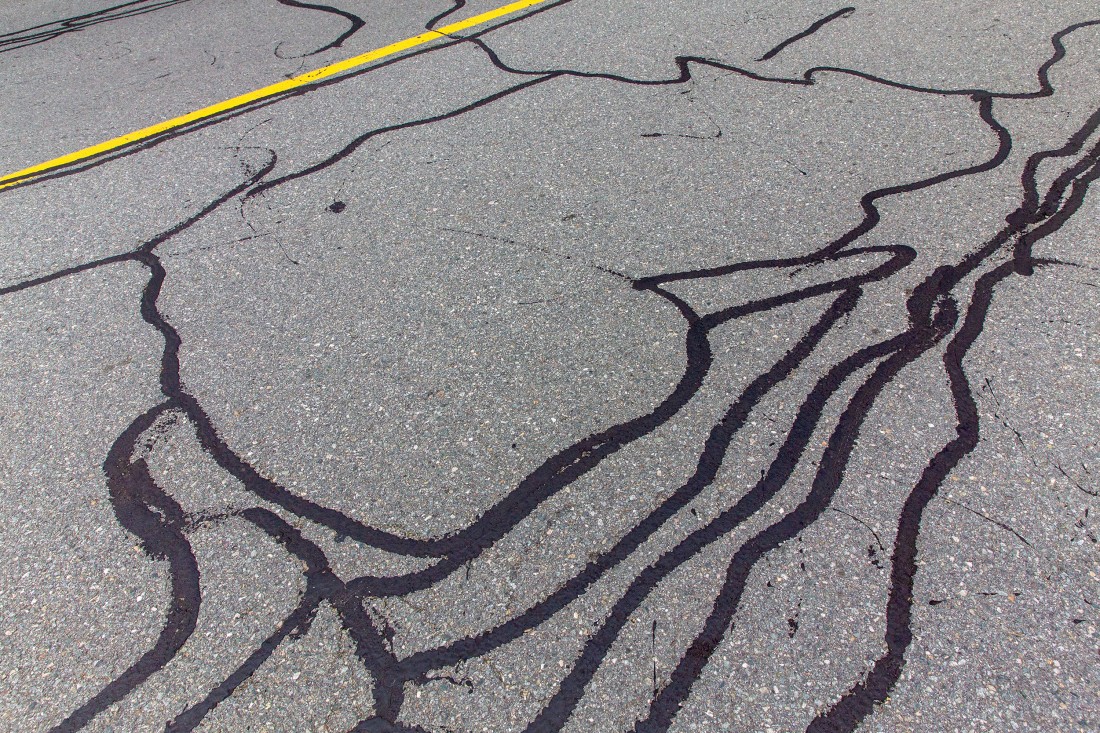
Asphalt crack sealing is a preventative maintenance service designed to protect asphalt pavement from further damage. The process involves sealing cracks with specialized materials to block water intrusion, reduce erosion, and slow pavement deterioration. Crack sealing is an essential part of maintaining asphalt surfaces such as parking lots, roadways, and commercial drive lanes.

When performed at the right time, crack sealing helps limit crack expansion, reduces the formation of new cracks, and extends the overall lifespan of asphalt pavement. It is a cost-effective solution that helps property owners avoid premature resurfacing or full replacement. Crack filling pays for itself by delaying expensive asphalt resurfacing.

S&J Asphalt Paving Company, based in Canton, MI, provides commercial asphalt crack sealing services designed to extend pavement life and maintain safe, functional surfaces for businesses throughout southeast Michigan. For a quote or more information about our asphalt crack sealing services in Michigan, contact S&J Asphalt Paving Company today.
Asphalt crack sealing company

Commercial Asphalt Crack Repair Services in Canton & Monroe, MI

Cracks in asphalt pavement allow water to seep into the foundation. In Michigan's freeze-thaw climate, this moisture expands as it freezes, widening cracks and weakening the pavement base. Left untreated, minor cracking can quickly escalate into potholes, surface breakdown, and the need for extensive repairs or full replacement. Addressing low movement cracks early by filling them helps prevent further damage, inhibits water infiltration, and significantly extends the pavement's lifespan.

Our commercial asphalt crack sealing services offer a cost-effective way to protect your investment, preserve pavement integrity, and add years of usable life to parking lots and other paved surfaces. Filling cracks with appropriate materials, including other materials specifically designed for crack repair, is essential for long-term pavement maintenance. Crack filling is a type of maintenance that should be performed annually throughout the life of asphalt pavement.

Call Today: (734) 721-4442
Asphalt crack sealing services

It Might Not Be Too Late for Commercial Asphalt Repair

Commercial asphalt surfaces experience constant stress from traffic, weather, and daily use. Cracking is often one of the earliest signs of pavement failure. As cracks spread, they fracture the surface into smaller sections, accelerating deterioration and creating unsafe conditions.

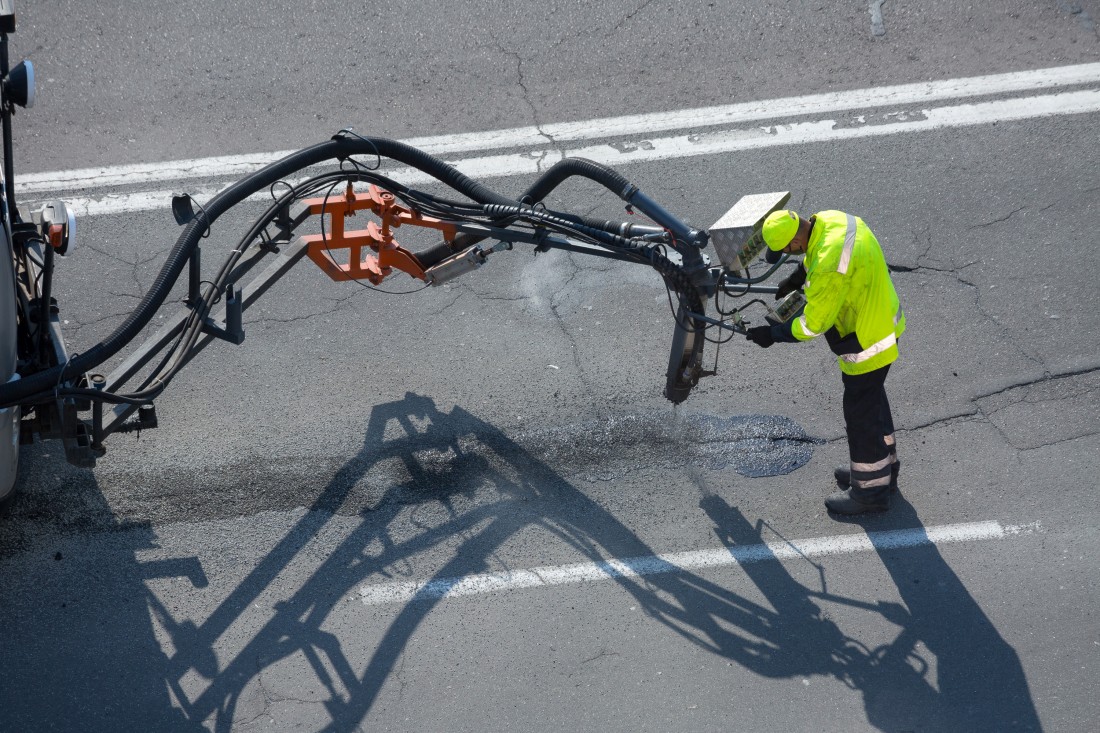
With over 40 years of experience, S&J Asphalt Paving Company specializes in large-scale crack sealing for commercial and industrial properties. Our team understands how to identify early pavement distress, seal cracks properly, and help prevent further damage caused by water intrusion and environmental exposure. Proper surface preparation and thorough cleaning are essential to ensure strong adhesion of the sealant, which helps prevent future cracking or deterioration. We use heated material, such as hot rubberized asphalt, applied with specialized equipment for effective crack sealing and quick curing. Lasting repairs require contractors familiar with Michigan's freeze-thaw cycles and drainage issues, and quality contractors should use hot rubberized sealants that remain flexible in cold weather.

Call Today: (734) 721-4442

Commercial Asphalt Contractors With Top Notch Reputation

“Top shelf company! Crews show up on time as scheduled. Work done professionally. Just finished our Condo complex of 120,000 square feet. Mark is great to work with on planning and oversight of the job. Patching, new speed bumps, crack filling, sealcoat and parking stripes and it looks new!” 5 star rating Robert Piech, Shiawassee Condos

Common Types of Asphalt Cracks

Asphalt pavement can develop several types of cracks, each caused by different conditions:
  • Transverse cracking runs perpendicular to traffic flow and is often caused by temperature changes.
  • Longitudinal cracking runs parallel to traffic lanes and may result from construction joints or material fatigue.
  • Alligator cracking appears as interconnected cracks resembling reptile scales and typically indicates structural fatigue or poor drainage.
  • Block cracking forms in rectangular patterns and is commonly associated with aging asphalt and moisture loss.
Identifying crack types helps determine the most effective sealing approach.

Crack Filling Methods

There are several methods available for filling cracks in asphalt, each suited to different conditions and types of damage. Hot pour crack filling is a popular technique that involves heating a rubberized asphalt material to high temperatures before applying it to the cracks. This method creates a flexible, durable seal that can withstand Michigan's changing weather. Cold applied crack filling, on the other hand, uses a clay-filled, polymer-modified asphalt emulsion that is poured into cracks at ambient temperatures. The choice between hot and cold methods depends on factors like climate, traffic levels, and the specific type of cracks present. Proper crack filling is essential to prevent water-based erosion, keep sand and rocks from surfacing, and avoid the development of potholes. By selecting the right material and method, property owners can protect their asphalt from further erosion and extend the life of their pavement.

Crack Sealing Process

The crack sealing process begins with thorough surface preparation to ensure a strong bond between the crack filler and the asphalt pavement. This typically involves cleaning the cracks with compressed air, wire brushes, or brooms to remove any debris, dirt, or loose material. Once the cracks are clean, the chosen crack filler—whether hot pour or cold applied—is applied directly into the cracks. Specialized equipment, such as squeegees or crack filling machines, is used to smooth the material and ensure it fully covers the crack. After application, the material is left to cure, forming a watertight seal that prevents moisture infiltration and further damage. This careful process helps maintain the integrity of the pavement surface and extends the lifespan of the asphalt.

Benefits of Asphalt Crack Sealing

Crack sealing provides several long-term benefits for commercial asphalt surfaces:
  • Prevents water infiltration that leads to potholes and base failure
  • Extends pavement life and delays costly repairs
  • Improves surface appearance and safety
  • Reduces long-term maintenance expenses
Sealing cracks creates a protective barrier that helps prevent further damage by keeping out water and debris. Routine crack sealing is one of the most effective ways to preserve asphalt pavement and protect your investment.
Note: Professional sealing should only be performed when temperatures are above 50 F for at least 48 hours post-application.

Asphalt Pavement Maintenance

Regular pavement maintenance plays a critical role in extending the life of asphalt surfaces. Using the right sealant is essential for effective crack sealing, as high-performance, rubberized sealants create durable, flexible, and waterproof barriers on asphalt and concrete pavements. Crack sealing and crack filling help prevent minor damage from developing into major structural problems. Applying crack filler with a squeegee ensures an even surface and proper curing for long-lasting durability. Without proper maintenance, water intrusion and freeze-thaw cycles can quickly accelerate pavement failure.

A proactive maintenance plan helps reduce liability risks and maintain safe, functional pavement for daily traffic.

Best Practices for Crack Sealing

To get the most out of crack sealing, it's important to follow best practices for asphalt pavement maintenance. Early identification and repair of cracks are crucial—addressing small cracks before they expand can minimize crack growth and prevent more serious issues. Using high-quality crack sealing materials and the right equipment ensures a long-lasting repair. Regular pavement maintenance, especially in Michigan's colder climates, helps prevent water infiltration and erosion, which are major contributors to pavement failure.

By investing in proper crack sealing and timely repairs, property owners can save money, reduce long-term maintenance costs, and avoid the need for premature resurfacing. Consistent attention to crack sealing not only extends the life of the pavement but also keeps parking lots, driveways, and roadways safe and attractive for years to come.

FAQs About Asphalt Crack Sealing

How much does asphalt crack sealing cost?

Crack sealing costs vary based on crack size, pavement condition, and project scope. Commercial crack sealing is generally a cost-effective maintenance service compared to resurfacing or replacement and is priced after a site evaluation.

What is the best way to seal cracks in asphalt?

Professional hot-pour crack sealing is one of the most effective methods. It uses rubberized material that expands and contracts with pavement movement, providing longer-lasting protection.

What is the average cost to seal an asphalt driveway?

Average costs vary depending on crack condition and size. While sealing is more affordable than resurfacing, pricing is best determined through an on-site inspection to ensure proper treatment.

How long does asphalt crack sealing last?

Professional crack sealing typically lasts 3 to 5 years, depending on traffic volume, weather exposure, and ongoing maintenance. Regular inspections and timely resealing help extend its effectiveness.

When is the best time of year to seal asphalt cracks in Michigan?

The best time for crack sealing in Michigan is spring or fall, when temperatures are moderate. Proper temperatures allow sealing materials to bond and cure correctly for long-lasting results.

Can crack sealing prevent potholes?

Yes. Crack sealing prevents water from entering the pavement base, which is one of the main causes of potholes. Sealing cracks early significantly reduces the risk of pothole formation.

How soon can traffic use the pavement after crack sealing?

Most crack sealing materials cure quickly. In many cases, light traffic can resume within 30 minutes to a few hours, depending on weather conditions and material type.